

Do You Have Influence?
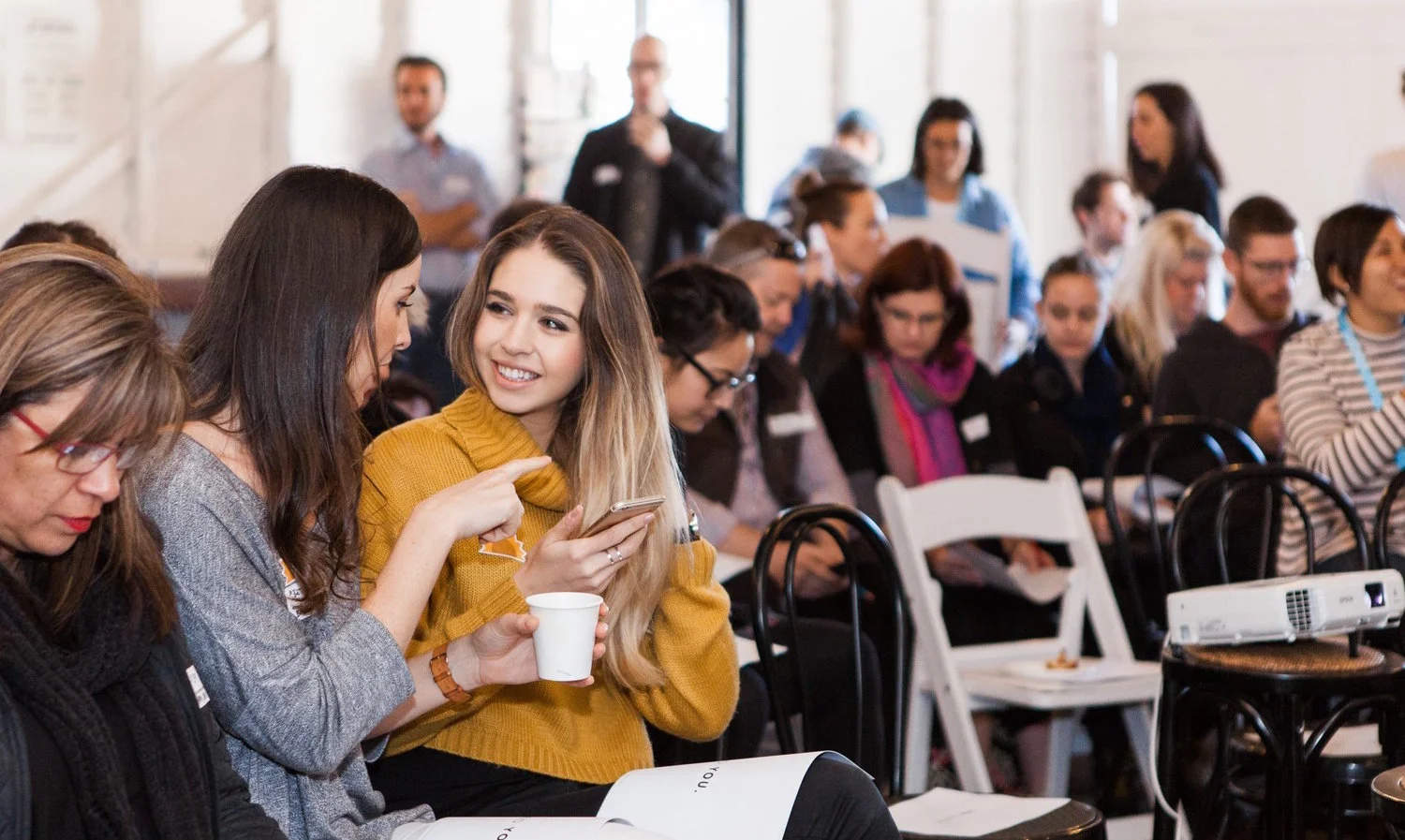
To build credibility, start with those who immediately impact your career.
Who do you need to influence at work?
Your boss? Big Boss? Your team? You got a plan for those relationships?
Your quick list of MIP’s (most influential people).
Who would you say are most influential - defined as people who can influence your career - people at work? Your MIP’s, if you will?
Examples:
Your client.
The boss’ boss.
External agencies.
Subject matter experts.
Team members.
At Happiness Concierge, we teach workshops on communicating with influence. Yet, really, it could be called ‘relationships with influence’ in some ways, given work relationships influence both our experience and our career prospects.
What ‘stage’ would you say that relationship is at?
Proactive / yellow: I pro-actively plan when I’ll communicate with them and what I’ll convey.
The murky middle: I get along with them; I know what they need, but I wouldn’t say I have a plan so much as a ‘I’ll do it if something comes to me’.
Reactive / red: I react to their requests. I’m not totally sure what they’re after. I rarely hear from them outside of an ‘ask’.
When we ask people in our communicating with influence workshops what their plan is, most people say they don’t have an active plan; it’s more re-active.
How to grow your influence?
Consider the following three strategies. In one review of 500 influencing attempts, the most successful strategies were (in this order):
Leveraging someone’s why’. Being upfront about what you were asking for or offering connected with what they valued most.
Ensuring they had ownership and a reason to want that.
Leveraging the personal relationship by highlighting how you value them.
The least influential strategies were legitimisation (e.g. mentioning someone with more influence than you, such as “the ‘CEO’ really needs this”), coalition (e.g. “me and Rachel think that …”) and request (e.g. just telling someone what you want).
Let’s have a look at these three concepts.
What is your MIP’s ‘why’?
When you know what someone values most, and why they’re doing what they do, it’s easier to connect your ‘ask’ or ‘offer’ to that.
What would your MIP’s ‘why’ be? (Or their ‘work why’, if that’s more the vibe?).
If you don’t know, or don’t have much access to them, how could you find out?
Who could you ask, if not them directly?
How could your MIP participate?
We know from the above communicating with influence tactics that just telling someone what you want them to do is the least effective influencing tactic. Sure, you get the work done, but does it build your credibility, respect and influence? That’s the gem at the heart of this idea.
When reviewing the 500 influencing attempts, folks who partnered with the other person, getting them to participate in the ‘ask’ or ‘demand’, experienced a 55% commitment rate, 25% compliance rate and 18% resistance.
So it’s not perfect, but given people are not robots, it’s still pretty good.
Examples:
“Here’s the need. You’re the SME here, how would you approach it?”
“I’ve designed courses, but not taught them. What are the elements you see?”
“I’ve made a start but need your help getting the end clear, what do you suggest?”
Getting people to participate is not about faking interest in their ideas. It’s about putting a piece of work on the table and asking them to pick it up using their tools. That’s the nuance to communicating with influence.
Leveraging your personal relationship.
This one presumes trust and respect are present in the relationship. You’d ‘ask’ before getting into the details. Different to asking a friend for a favour, this is more leveraging your shared loyalty to the same goal and reminding folks that you’re on the same team.
Examples:
“Can I get your help on this?”
“Can we tackle this together?”
Caution: it’s easy to presume that people want to help you because you want them to help you. Use this sparingly if you’re in a position of authority, as remember, team members don’t really have a choice to help.
Are you getting ideas on how to communicate with influence with your MIPs?
Do your people need tools to influence?
Bring our practical strategies to influence workshops to your workplace.